ENTERTAINMENT
The Rise of 'K-Pop Counterfeits': Threatening Artist Identity and Intellectual Property


Lee Min-kyung from TenAsia sounds the alarm on the rapidly evolving entertainment industry, highlighting unseen issues and alerting to threats and changes surrounding the entertainment world.
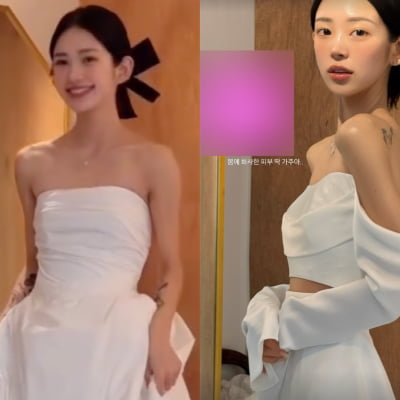
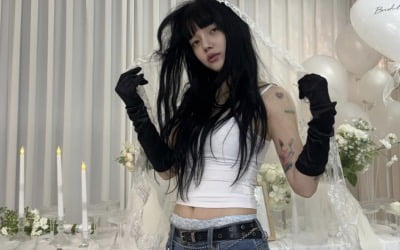
Beyond mere 'lookalikes', the phenomenon of 'K-Pop counterfeits' is increasingly threatening the identity of artists. The use of similar faces and deepfake technology is causing confusion among the public and damaging the commercial value of artists, drawing widespread criticism.


Daisy took photos with fans and even held an impromptu signing session. Once this was revealed, criticism arose about the confusion and discomfort caused to attendees. Some labeled it as "blatant free-riding on the artist's image." Despite Daisy's explanation that she was merely following a shopping mall invitation without any financial compensation, negative perceptions persist.

Due to intense criticism, the group ceased activities in 2022, but individual members continued to mimic EXO members. Last year, the 'real' Luhan publicly addressed the issue. During a live broadcast, he expressed frustration over fans questioning his identity and mentioned the influencer mimicking him. In response, Ling Dale, who performed as Luha in ESO, appeared on the broadcast, sending a gift worth approximately 1.3 million Korean won, which drew sarcastic reactions from netizens, suggesting it was a 'copycat tax'.


While 'celebrity lookalike' activities were once limited to parody or fan admiration, they now exploit the uniqueness of actual artists for economic gain. This not only confuses the public but also infringes on the intellectual property (IP) of K-Pop artists.

Pop star Ariana Grande is a notable victim. American TikTok star Paige Niemann gained over 10 million followers by acting as Ariana Grande's doppelgänger. Beyond mere cosplay, she lip-synced lines from Ariana's past TV character (Cat Valentine) and mimicked styles from the recent 'Wicked' movie series, behaving as if she were the real Ariana Grande. Ariana herself once described the mimicry of her character's lines as "bizarre" and expressed discomfort.
Paige Niemann faced further criticism for exploiting Ariana Grande's fame for financial gain. She opened an account on the adult subscription platform 'OnlyFans', using her Ariana-like appearance to generate income. Fans harshly criticized this as "monetizing and sexually exploiting the artist's image."
Lee Min-kyung, TenAsia Reporter 2min_ror@tenasia.co.kr